Judge Blocks DHS Fixed-Stay Rule for F-1 Students Hours Before Its Rollout
Judge Saylor concluded that DHS had relied on exceptionally weak rationales and had not adequately fulfilled its legal obligations when adopting such a major policy change.
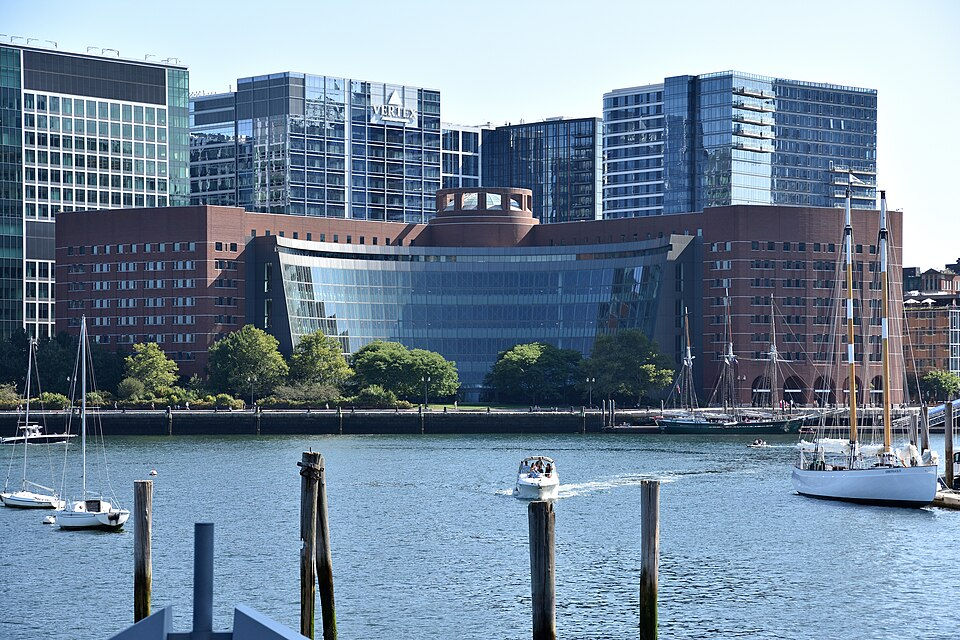
A federal judge in Massachusetts has blocked the Trump administration from implementing a sweeping immigration rule that was scheduled to take effect September 15 and would have ended the longstanding “duration of status” system for F-1 international students, J-1 exchange visitors and most foreign journalists in I status.
U.S. District Judge F. Dennis Saylor IV issued nationwide preliminary relief on September 14, preventing the Department of Homeland Security and U.S. Immigration and Customs Enforcement from implementing the regulation while the legal challenge continues. As a result, the existing duration-of-status framework remains in place nationwide for now.
The ruling is particularly significant for students from India, the largest group of international students in the United States. The latest Open Doors data counted 363,019 students from India in the United States during the 2024-25 academic year, up about 10% from the previous year. That total included 143,740 Indian students participating in Optional Practical Training, or OPT.
What the blocked DHS rule would have changed
DHS published the final rule on July 17, with an effective date of September 15, 2026. It would have replaced “duration of status,” commonly shown as “D/S” on immigration records, with fixed periods of admission.
Under the longstanding system, F-1 students and J-1 exchange visitors generally may remain in the United States for the duration of their authorized academic or exchange programs as long as they continue to comply with the requirements of their status.
The blocked rule instead would generally have admitted F and J nonimmigrants through the end of their authorized program, subject to a maximum admission period of four years. Those needing additional time could be required to seek an extension of stay from U.S. Citizenship and Immigration Services or, where appropriate, leave the country and seek a new admission.
For representatives of foreign information media in I status, the rule generally would have imposed admission periods of no more than 240 days, with a shorter limit applying to certain Chinese passport holders.
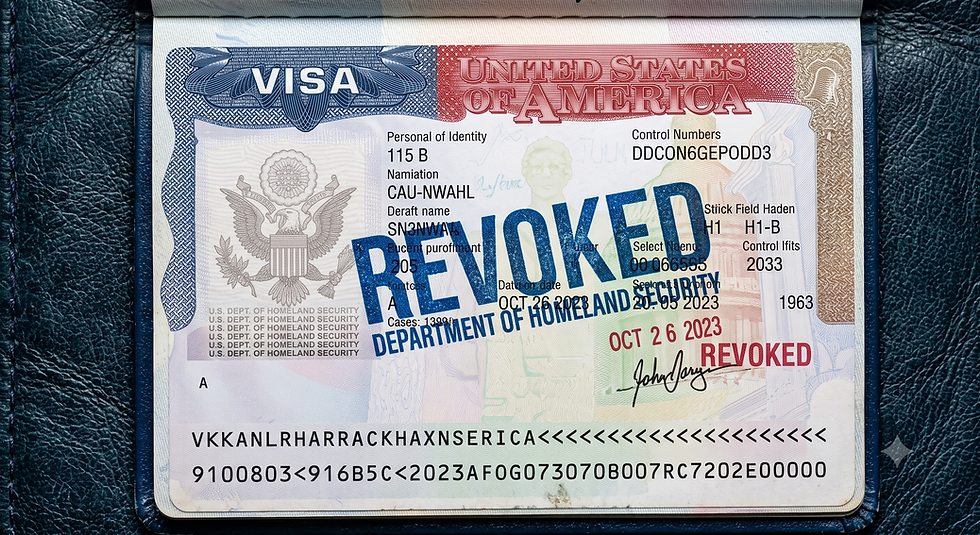
The change concerned a person's authorized period of admission and immigration status in the United States; it should not be confused with the expiration date printed on a visa stamp.
New restrictions on F-1 students also halted
The DHS regulation went substantially beyond replacing D/S with fixed admission dates.
Among other provisions, it would have barred an F-1 student who completed a program at one educational level from beginning another F-1 program at the same or a lower level, allowing only progression to a higher educational level.
It also contained restrictions on changing majors, educational levels and schools. Graduate-level students would have faced especially tight limits on transferring institutions or changing educational objectives, subject to specified exceptions for extenuating circumstances.
The rule also would have reduced the standard departure period for many F-1 students after completing a course of study or post-completion practical training from 60 days to 30 days.
None of those changes takes effect on September 15 while the court order remains in force.
Judge questions DHS justification
The lawsuit was filed August 18 in the U.S. District Court for the District of Massachusetts by a coalition that includes NAFSA: Association of International Educators, the Presidents’ Alliance on Higher Education and Immigration, the Association of Independent Colleges and Universities in Massachusetts, the American Federation of Teachers, the UAW and The NewsGuild-CWA. The case is *Presidents’ Alliance on Higher Education and Immigration et al. v. U.S. Department of Homeland Security et al.*, No. 1:26-cv-13799. ([NAFSA][7])
The plaintiffs allege that DHS violated the Administrative Procedure Act by inadequately evaluating the regulation’s costs and benefits, failing to meaningfully address public comments or consider less burdensome alternatives, providing an insufficient comment process and exceeding its statutory authority.
In granting relief, Saylor concluded that DHS had relied on “exceptionally weak” rationales and had not adequately fulfilled its legal obligations when adopting such a major policy change. DHS had argued that the fixed-period system was necessary to improve oversight, prevent fraud and address national-security concerns.
DHS General Counsel James Percival criticized the ruling, arguing that the duration-of-status system allows abuse of the immigration system.
What Indian students should know now
For Indian students already studying in the United States, including those pursuing graduate programs or OPT, the most important immediate point is that the September 15 fixed-period regime has been stopped.
Harvard University's international office told students after the ruling that the duration-of-status designation remains intact while the injunction is in place and that the new rule does not currently affect their status.
The decision is preliminary, however, not a final ruling striking the regulation from the books. The underlying lawsuit will continue, and the federal government can seek appellate review or ultimately prevail later in the litigation.
As of publication, publicly available sources reviewed by TeluguAmericans.com did not establish that the government had already filed an appeal. Students therefore should not treat reports of an expected appeal as confirmation that one has been filed.
Because immigration litigation can move rapidly, F-1 and J-1 holders considering international travel, extensions, OPT-related filings or changes in their academic programs should continue monitoring official DHS, USCIS and university international-student guidance.


Comments