USCIS Revokes H-1B Petitions of Major IT Firm Over Wage Classifications
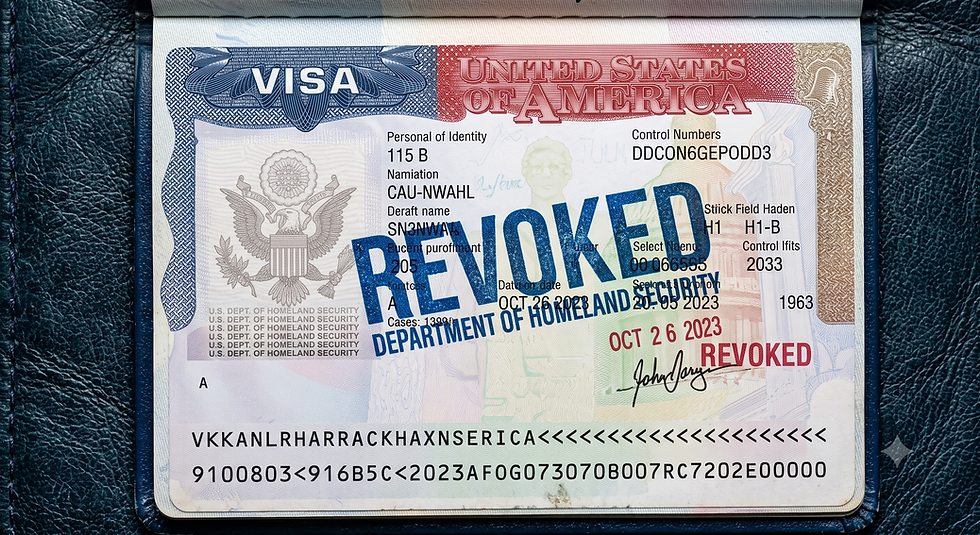
WASHINGTON: U.S. Citizenship and Immigration Services has denied and revoked multiple H-1B petitions filed by an unnamed major IT consulting company after finding that skilled technology positions were assigned wage levels lower than the jobs’ duties and requirements supported.
USCIS said its Vermont office identified the petitions during H-1B reviews. In a September 5 statement on its official social-media channels, the agency said the company had classified skilled technology jobs at wage levels that did not reflect the positions’ stated responsibilities and requirements.
“This practice undercuts required wages and creates unfair competition for U.S. workers,” USCIS said, adding that it denied and revoked multiple petitions as part of efforts to protect the integrity of employment-based immigration programs.
The agency did not identify the consulting company, disclose how many petitions were affected or specify the technology occupations involved. Its statement also did not accuse the company of criminal fraud.
That distinction is important. The latest action involves USCIS adjudication of H-1B petitions, rather than a publicly announced criminal prosecution. The agency’s statement focuses specifically on whether the wage levels used in the petitions were consistent with the duties and requirements of the positions.
How H-1B wage requirements work
Under federal H-1B rules, an employer must generally pay a worker at least the higher of two figures: the employer’s actual wage for similarly qualified workers in the same employment or the prevailing wage for the occupation in the geographic area where the employee will work.
The Department of Labor’s prevailing-wage system uses four wage levels designed to reflect differences in factors such as experience, education and level of supervision. Employers must use a wage determination appropriate to the occupation, geographic area and skill level involved.
USCIS’s latest statement indicates that the agency concluded the wage levels claimed for the technology positions were too low for the duties and requirements described in the petitions. The agency, however, did not publicly provide the underlying petitions or explain how it reached its determination in each case.
The announcement therefore should not be interpreted as evidence that IT consulting companies generally are violating H-1B wage rules, nor does it establish that every affected beneficiary was actually being paid below the legally required wage. USCIS disclosed only its findings concerning the wage classifications in the petitions.
Why the action matters to Indian H-1B professionals
The enforcement move is particularly relevant to Indian technology professionals because Indian-born workers account for by far the largest share of H-1B approvals.
USCIS’s fiscal year 2024 report on H-1B workers showed that people born in India accounted for about 71% of approved H-1B beneficiaries, substantially more than any other country.
That does not mean the unnamed company in the latest action is Indian-owned or that the affected workers are Indian. USCIS has released no information establishing either point. But heightened scrutiny of technology consulting petitions can have practical significance for Indian professionals because of their large presence in the H-1B workforce.
For Telugu professionals working in the U.S. technology industry, the case also highlights the importance of the job description, occupational classification and wage information submitted by an employer. Those details are controlled largely by the petitioning employer, even though an adverse USCIS decision can directly affect the beneficiary’s employment and immigration situation.
Separate H-1B fraud cases involved false jobs
Federal authorities have separately pursued criminal cases involving IT staffing companies that submitted false information in H-1B petitions, but those cases involved substantially different allegations.
In April 2025, Kishore Dattapuram, co-owner of San Jose-based staffing company Nanosemantics Inc., was sentenced to 14 months in federal prison after pleading guilty to visa fraud and conspiracy. Prosecutors said the company submitted petitions falsely claiming that foreign workers had specific jobs at designated end-client companies when the positions did not actually exist.
In another case, Sampath Rajidi and Sreedhar Mada, both residents of Dublin, California, pleaded guilty in April 2026 to conspiracy to commit visa fraud. Federal prosecutors said petitions falsely represented that beneficiaries would work on University of California projects even though the positions did not exist and the workers were intended for placement with other clients.
Those criminal prosecutions should not be conflated with the latest USCIS wage-classification action. USCIS has not publicly alleged criminal fraud against the unnamed consulting company in its September 5 announcement.
For H-1B employers, the latest action signals that USCIS may closely compare the complexity and requirements of a technology position with the wage level claimed in the petition rather than accepting the wage classification in isolation.



Comments