Nag Panchami: Reverence for Nagas and Respect for Living Creatures


Nag Panchami honors the nagas, sacred serpent beings found throughout Hindu stories and iconography. Adi Sesha forms Vishnu's couch, Vasuki appears in the churning of the ocean, and serpents are associated with Shiva. The festival also reflects the closeness of traditional agrarian life to the creatures inhabiting fields, water, and the earth.
Household and temple worship
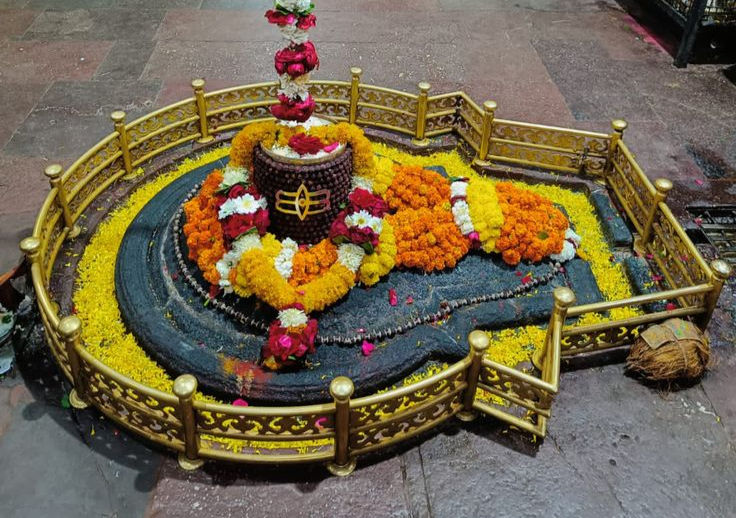
Devotees may worship a naga image, a stone serpent shrine, or another representation established by their family tradition. After bathing, arrange flowers, turmeric, kumkum, a lamp, and food offerings. Some traditions offer milk symbolically to the deity's image; others use water and specific naivedyam. A temple priest can explain which practice is appropriate for the shrine.
Begin with a prayer to Ganesha and offer worship to the nagas with familiar names or hymns. Families may read a serpent-related sacred story and conclude with harati.
Nag Panchami and Nagula Chavithi
The names are sometimes confused in general festival lists. Shravana Nag Panchami falls on the fifth tithi of the bright fortnight. The widely observed Telugu Nagula Chavithi falls on Kartika Shukla Chavithi, after Deepavali. Neither festival requires handling a live snake. Snakes should not be captured, confined, or forced to drink milk. An image, temple shrine, or symbolic offering is sufficient for devotional worship.
Celebrating in America
Use the festival to introduce the serpent imagery in Hindu art and explain how snakes contribute to local ecosystems. A drawing of Adi Sesha or a reading about Krishna and Kaliya can accompany a small puja.


Comments