Maha Shivaratri: Worship, Fasting and the Night of Shiva

Updated: Oct 9

Maha Shivaratri is the great annual night of Shiva worship. Different traditions connect it with Shiva's marriage to Parvati, the manifestation of the endless column of divine light, or other sacred narratives. The shared emphasis is inward attention: prayer, restraint, and wakefulness become ways of remembering Shiva through the night.
Preparing the household puja
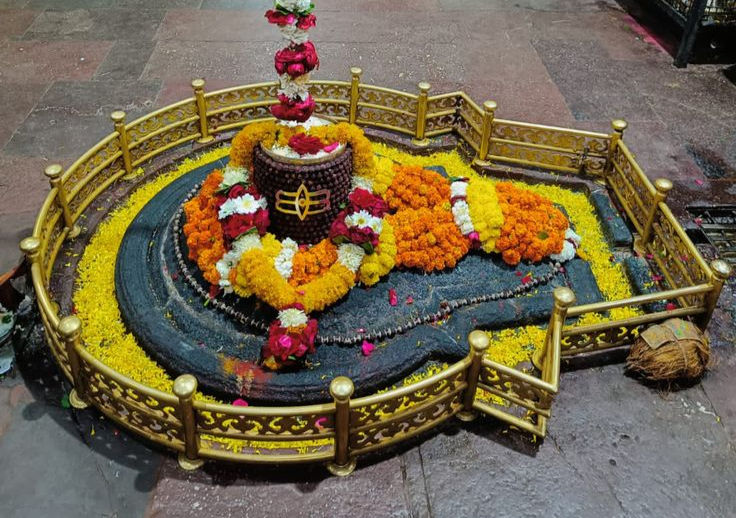
Clean the altar and arrange a worship-suitable Shiva lingam or image, water, bilva leaves, flowers, a lamp, and naivedyam. Ask whether an existing consecrated or delicate image may be bathed. A framed picture should receive symbolic offerings rather than liquids poured over it.
After bathing, devotees make a sankalpam, stating their intention to observe the day. Some fast completely; others take fruit, milk, or a simple meal according to health and family practice.
Abhishekam and the night vigil
Worship may be performed once during the night or in four praharas, the four divisions of the night. Water abhishekam, bilva offerings, Shiva's names, and harati are common elements. Panchamritam may be used when the image and setting are suitable, followed by a water rinse.
During jagaranam, families sing bhajans, recite "Om Namah Shivaya," listen to Shiva stories, or meditate quietly.
Telugu and American traditions
Srisailam and other Shiva temples hold major celebrations. At home in America, a modest evening abhishekam and temple visit can fit family responsibilities.


Comments