Kedareswara Vratam: Shiva-Parvati Worship and the 21-Knot Thread

Kedareswara Vratam honors Shiva and Parvati and is associated with the unity expressed by Ardhanarishvara. Its familiar household form includes a sacred thread with 21 knots and offerings prescribed in groups of 21. For families that inherit the vow, it can be an important part of Deepavali alongside, but separate from, Lakshmi worship.
Meaning and materials
The vrata katha describes Parvati's worship and the attainment of unity with Shiva. Regional versions may also include episodes involving devotees who neglect or restore their vow. The narrative should be read from the version followed by the household rather than treated as one fixed story in every tradition.
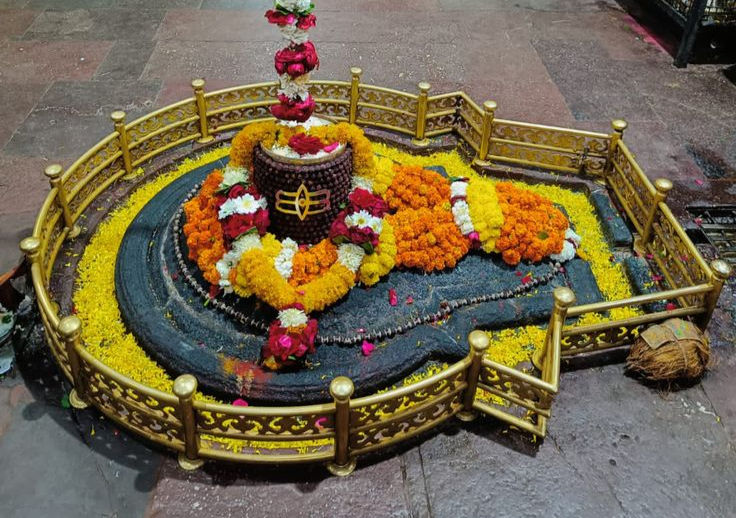
Prepare the kalasham or Shiva representation specified by the text, rice or grain for its base, flowers, bilva where used, lamps, turmeric, kumkum, akshata, fruit, and naivedyam. Prepare a 21-knot toram. Particular sweets, betel offerings, and quantities are part of some family procedures, but a list of 21 expensive varieties of fruit should not be invented as an obligation.
Household worship
The ceremony begins with bathing, sankalpam, and Ganesha worship. Establish the kalasham and invoke Kedareswara according to the vrata kalpam. Offer the customary upacharas and flowers with Shiva's names. Read the katha, worship the thread, and tie it in the manner followed by the family. Naivedyam, harati, and distribution of prasadam conclude the main worship.
Fasting or a restricted meal may accompany the vow. The phrase “day-long fast” should be understood through the chosen tradition and the participant's health. A family should ask when its fast ends and how it completes the setup.
The one-day and extended forms
Some descriptions present Kedara-Gauri as an extended observance ending at Deepavali, while Telugu homes often perform a concentrated annual ceremony. These forms should be distinguished. Even online tradition pages may disagree about the starting tithi; do not calculate a rigid 21-day schedule from an inconsistent summary. Consult the actual vrata text and local priest.
Observing in America
Before beginning a new annual vow, ask about continuation and udyapanam, its formal conclusion. Families already observing it should retain their inherited practice. A modest ceremony, an explanation of Shiva-Parvati unity, and a shared meal can preserve its meaning without turning the number 21 into a shopping challenge.


Comments