Kartika Purnima: Lamps, Sacred Stories and Telugu Karthika Worship

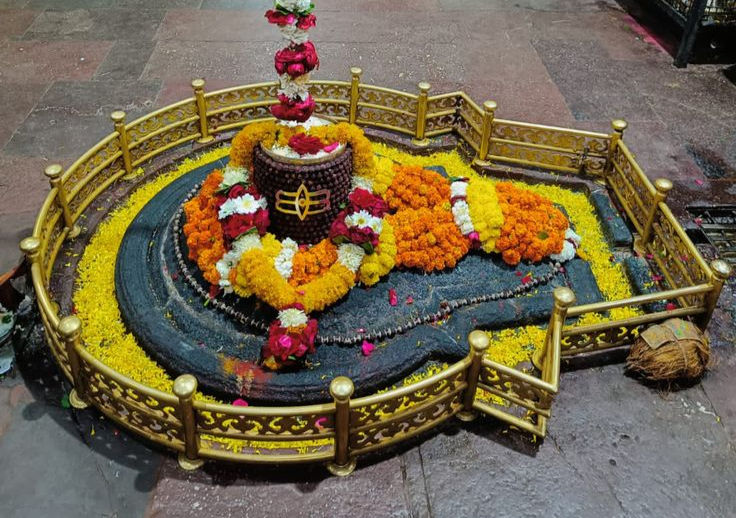
Kartika Purnima, or Karthika Pournami, is a major full-moon observance within the Telugu month devoted especially to Shiva and Vishnu. Lamps, temple visits, scriptural readings, and acts of charity give the day its devotional character. Some traditions associate it with Shiva's destruction of the three cities of Tripura; Varanasi's Dev Deepavali has its own celebrated public expression.
A day of worship
Devotees may begin with an early bath and prayers. A river bath is traditional in pilgrimage settings, but a household bath is sufficient when travel or weather makes that impractical. Shiva abhishekam, Vishnu worship, Satyanarayana Vratham, and scripture reading are chosen according to family practice; every household need not perform all of them.
Some observe a fast or a restricted meal. Others undertake a temple visit and evening deepa aradhana. The puja and fasting rules should be explained separately: lighting lamps does not automatically require a strict fast.
Evening lamps and Tulasi
At dusk, families light lamps near the shrine, a Tulasi plant, or a designated outdoor space. Cotton wicks and oil or ghee are commonly used. Numbers such as 365 appear in particular customs as symbolic offerings; they should not be presented as necessary for every reader.
Some temples hold Jwala Toranam or other special programs during the season. Follow the temple's own description of its rite rather than attempting to reproduce large flame arrangements at home. A few stable lamps can create a beautiful family observance.
Vanabhojanam and community life
Karthika vanabhojanam, a community meal outdoors, is often associated with worship near an usiri, or amla, tree. It may be held on a convenient day during the month, not exclusively on the full moon. The gathering combines prayer, food, and social connection.
For Telugu Americans, cold weather may favor an indoor community meal. A small tree or photograph can help explain the original setting without pretending a substitute reproduces every formal ritual requirement. Organizers should describe a cultural adaptation clearly.
Making the celebration meaningful
Ask children to light an electric lamp or help arrange safe diyas, and tell them why light is used as an image of understanding and hope. Share prasadam and consider a charitable contribution. Do not release oil, decorations, or floating lamps into an American lake without an authorized arrangement. The festival can honor water and nature through care rather than through leaving offerings behind.


Comments