Karthika Somavara Vratam: Monday Worship of Shiva


Karthika Somavara Vratam gives Monday Shiva worship a special place within the Telugu Karthika season. Its familiar features are bathing, Shiva puja or temple abhishekam, fasting or a restrained meal, evening lamps, and devotional reading. The observance can be simple while remaining attentive and consistent.
Beginning the day
Rise early, bathe, and make the sankalpam according to the family custom. A cold-water or river bath is part of some traditional descriptions, but neither is essential for every household's circumstances. A warm bath is sensible in an American winter, especially for children and older relatives.
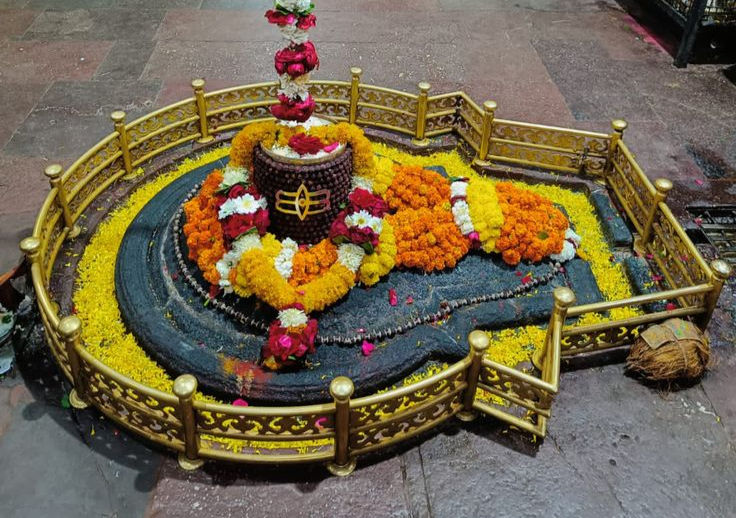
Arrange a Shiva image or a lingam suitable for worship, water, flowers, bilva leaves where available, a lamp, and naivedyam. A home lingam may receive water abhishekam and simple offerings. Elaborate Rudrabhishekam should be guided by a qualified reciter; an online recording can aid listening but does not supply every procedural detail.
Puja and food discipline
Offer prayers to Ganesha before the main Shiva worship. Abhishekam where appropriate, flowers, Shiva's names, incense, light, and naivedyam may follow. “Om Namah Shivaya,” a Shiva stotram, or a reading from Karthika devotional literature can accompany the puja.
Food rules vary. Some take one meal; some fast until an evening observance; some maintain other restrictions. Nakta, eating at night under prescribed conditions, is followed in particular traditions and should not be reduced to a universal rule about seeing a star. Ask which rule the family's vratam actually uses.
Evening deepa aradhana
Light lamps at the shrine and near Tulasi where that is part of household practice. The month embraces Vishnu as well as Shiva devotion, even though the Monday vow focuses on Shiva. A temple visit, bhajans, or a short family reading can complete the evening.
A sustainable observance abroad
Working families can decide in advance what they will maintain on each Monday: an early prayer, a manageable diet, and an evening lamp. Avoid a demanding schedule that becomes a source of conflict or fatigue. Children can learn one prayer and help set out flowers.
The vow is traditionally undertaken for spiritual merit and well-being. Its practical meaning can include patience, thoughtful speech, and a weekly act of kindness. Repetition through the month gives those intentions a rhythm beyond a single festive day.


Comments